In the world of Usenet indexing and file organization, NZBGeek has earned recognition as a well-known community-driven platform. For users who explore Usenet as an alternative to traditional file-sharing methods, nzbgeek serves as a structured indexing service that helps locate and organize content more efficiently.
As digital distribution methods have evolved over the years, Usenet has remained a niche yet powerful ecosystem. Within that ecosystem, nzbgeek plays a significant role by offering tools, search capabilities, and community features designed to streamline access to indexed content.
This article explores what nzbgeek is, how it works, its features, and important considerations for responsible usage.
Understanding Usenet and NZB Indexing
Before discussing nzbgeek specifically, it is important to understand Usenet. Usenet is a decentralized network that predates the modern web. It was originally designed for discussion groups, but later evolved into a platform where users could share files.
Because Usenet stores files in distributed newsgroups, locating specific content can be difficult without indexing services. That is where NZB files and indexing platforms come into play.
An NZB file functions like a roadmap. Instead of containing the file itself, it contains metadata that tells a Usenet client where to find and assemble file segments stored across servers.
NZBGeek operates as an NZB indexing service. It organizes and categorizes NZB files to make searches more accessible for users.
What Is NZBGeek?
NZBGeek is widely known as a community-based NZB indexing website. It provides users with searchable access to indexed NZB files across various categories.
Unlike public search engines, nzbgeek typically operates through a membership-based system. This structure allows it to maintain stability, moderation, and organization within its platform.
The site is often praised for its user-friendly interface and community-driven moderation system. Members contribute to maintaining accurate indexing and ensuring content is properly categorized.
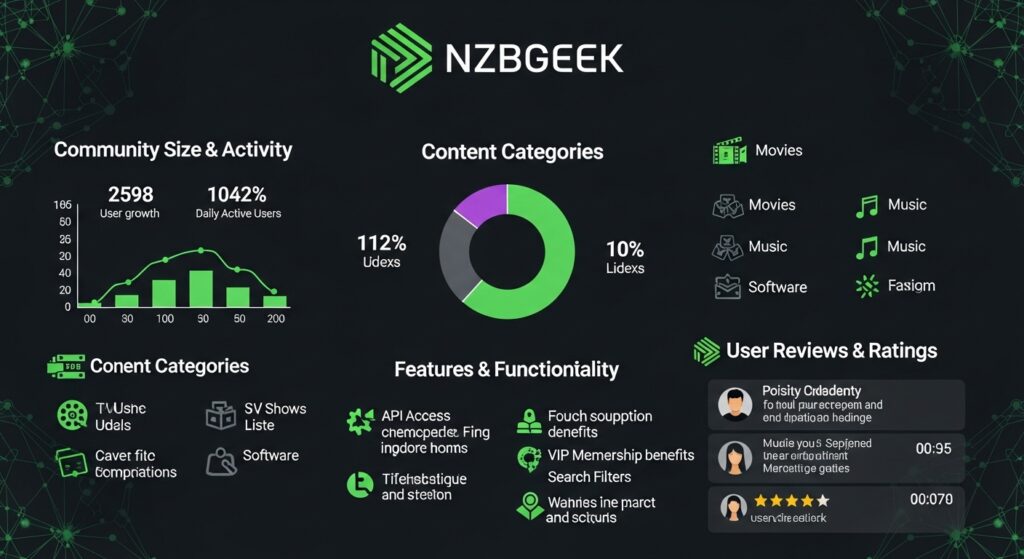
Key Features of NZBGeek
NZBGeek offers several features that make it appealing to Usenet users.
Advanced Search Functionality
The platform provides detailed search filters that allow users to narrow results by category, file size, age, and other specifications. This makes locating specific content faster and more precise.
Community Forums
One of nzbgeek’s strengths is its active community. Discussion forums allow members to share knowledge, troubleshoot issues, and exchange recommendations.
API Integration
For users who rely on automation tools, nzbgeek offers API access. This allows integration with third-party applications that manage and automate downloads.
Organized Categories
Content is categorized systematically, helping users browse efficiently rather than relying solely on keyword searches.
Membership Model
The membership-based approach contributes to a more controlled environment. This often leads to better moderation and reduced spam compared to open public indexing sites.
Why Users Choose NZBGeek
Several factors contribute to nzbgeek’s popularity within the Usenet community.
First, its structured interface simplifies the search process. Usenet’s decentralized nature can be overwhelming, and indexing platforms bridge that gap.
Second, community involvement improves reliability. Active moderation ensures that listings are properly labeled and duplicates are minimized.
Third, integration with automation software appeals to advanced users who prefer streamlined workflows.
Overall, nzbgeek provides convenience in an otherwise complex ecosystem.
Legal and Ethical Considerations
While nzbgeek itself functions as an indexing service rather than hosting files, users must understand that responsibility lies in how Usenet is used.
Accessing or distributing copyrighted material without proper authorization may violate local laws. Users should ensure they comply with regulations in their region and use Usenet responsibly.
Additionally, privacy and security considerations are important. Many Usenet users rely on secure connections and reputable service providers to protect their data.
Choosing legitimate and ethical uses for indexing services ensures a safer experience.
The Role of Community Moderation
One of the defining aspects of nzbgeek is its emphasis on community moderation. Members contribute to maintaining accurate listings and identifying issues.
This collaborative approach improves overall reliability. Compared to unmoderated platforms, community-driven systems tend to offer better organization and reduced misinformation.
Forums also foster education. New users can learn about Usenet clients, configuration tips, and best practices from experienced members.
Comparing NZBGeek to Other Indexers
Within the Usenet ecosystem, multiple indexing services exist. What differentiates nzbgeek is its balance between structured indexing and active community engagement.
Some platforms operate purely as automated databases with minimal interaction. In contrast, nzbgeek integrates forums and community discussions, creating a more interactive experience.
Its API compatibility also positions it as a practical choice for users who automate download management through compatible software tools.
Security and Best Practices
Users exploring nzbgeek or similar services should follow best practices for online safety.
-
Use strong passwords for account protection
-
Keep Usenet client software updated
-
Ensure secure connections when accessing services
-
Be mindful of copyright laws and regional regulations
Taking these precautions helps maintain privacy and ensures a responsible user experience.
The Future of NZB Indexing Platforms
As digital distribution continues evolving, Usenet remains a resilient alternative within certain communities. Platforms like nzbgeek adapt by improving search algorithms, expanding API capabilities, and strengthening community engagement.
Automation tools and integration with media management software are likely to remain central features. Additionally, enhanced moderation and verification systems may improve reliability further.
The future of indexing services depends on technological adaptation and responsible usage practices.
Conclusion
NZBGeek stands as a recognized community-based NZB indexing platform within the Usenet ecosystem. By offering structured search capabilities, API integration, and active forums, it simplifies navigation through decentralized file systems.
While it provides convenience and organization, users must approach Usenet responsibly, respecting legal and ethical guidelines.
For those who understand the Usenet environment and seek efficient indexing solutions, nzbgeek represents a structured and community-driven option. Its continued relevance reflects the enduring appeal of organized digital ecosystems in an ever-changing online world.