Osnovno učilište is a term used in several countries, particularly in the Balkans, to refer to primary or elementary schools. These institutions play a vital role in shaping the educational and social development of children, laying the foundation for lifelong learning.
What Is Osnovno Učilište?
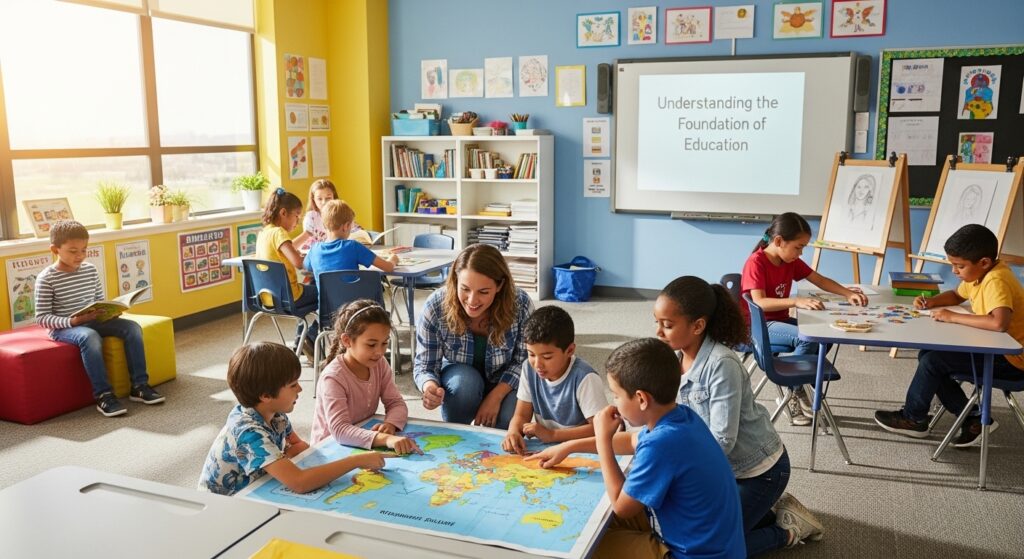
Osnovno učilište, which translates to “primary school,” typically serves children between the ages of 6 and 15. It provides the first formal stage of education and is designed to equip students with essential knowledge and skills in various subjects.
The curriculum usually includes:
- Language and Literature – Developing reading, writing, and comprehension skills.
- Mathematics – Building foundational numeracy and problem-solving abilities.
- Science – Introducing basic concepts in biology, physics, and chemistry.
- Social Studies – Learning about history, geography, and civic responsibilities.
- Arts and Physical Education – Encouraging creativity, physical fitness, and teamwork.
Importance of Osnovno Učilište
Osnovno učilište is more than just an academic environment. It helps children develop social, emotional, and cognitive skills. Some key benefits include:
- Building Literacy and Numeracy – Fundamental skills that serve as the foundation for higher education.
- Social Development – Encouraging teamwork, communication, and empathy.
- Discipline and Responsibility – Instilling a sense of routine, responsibility, and personal growth.
- Critical Thinking – Teaching children to analyze, question, and problem-solve effectively.
Through these experiences, students gain the confidence and knowledge necessary to succeed in secondary education and beyond.
Structure of Osnovno Učilište
Typically, osnovno učilište is divided into two stages:
- Lower Grades (1–4) – Focus on basic skills in reading, writing, and arithmetic, as well as introduction to arts and physical activities.
- Upper Grades (5–8) – Advanced subjects such as sciences, history, foreign languages, and more complex mathematics.
Teachers often use a mix of lectures, interactive lessons, group projects, and extracurricular activities to engage students and make learning enjoyable.
Role of Teachers
Teachers in osnovno učilište are central to a child’s educational journey. Their responsibilities include:
- Delivering curriculum-based instruction.
- Supporting students’ social and emotional development.
- Identifying learning difficulties and providing guidance.
- Encouraging creativity and independent thinking.
A dedicated teacher can make a lasting impact on students, fostering curiosity and a love for learning.
Extracurricular Activities
In addition to formal lessons, osnovno učilište often offers extracurricular activities, including:
- Sports and Physical Education – Promoting fitness, teamwork, and healthy lifestyles.
- Arts and Music – Developing creativity, self-expression, and cultural awareness.
- Clubs and Societies – Encouraging hobbies, leadership, and social interaction.
These activities help students develop well-rounded skills and explore interests beyond the classroom.
The Impact on Society
Osnovno učilište plays a crucial role in shaping future citizens. By providing foundational knowledge and skills, it prepares children to participate actively and responsibly in society. Education at this level promotes literacy, critical thinking, and civic engagement, which are essential for national development and social cohesion.
Challenges and Opportunities
Like any educational system, osnovno učilište faces challenges:
- Limited resources in some regions.
- Overcrowded classrooms affecting individual attention.
- Need for continuous teacher training and curriculum updates.
However, opportunities exist to enhance education through technology, innovative teaching methods, and community involvement, ensuring that osnovno učilište continues to meet the evolving needs of students.
Conclusion
Osnovno učilište is the cornerstone of formal education, shaping children’s academic, social, and emotional development. By providing foundational knowledge, life skills, and opportunities for creativity, it prepares students for the challenges of secondary education and beyond. A strong primary education system benefits not only individual learners but also the wider society, fostering an informed, skilled, and responsible population.