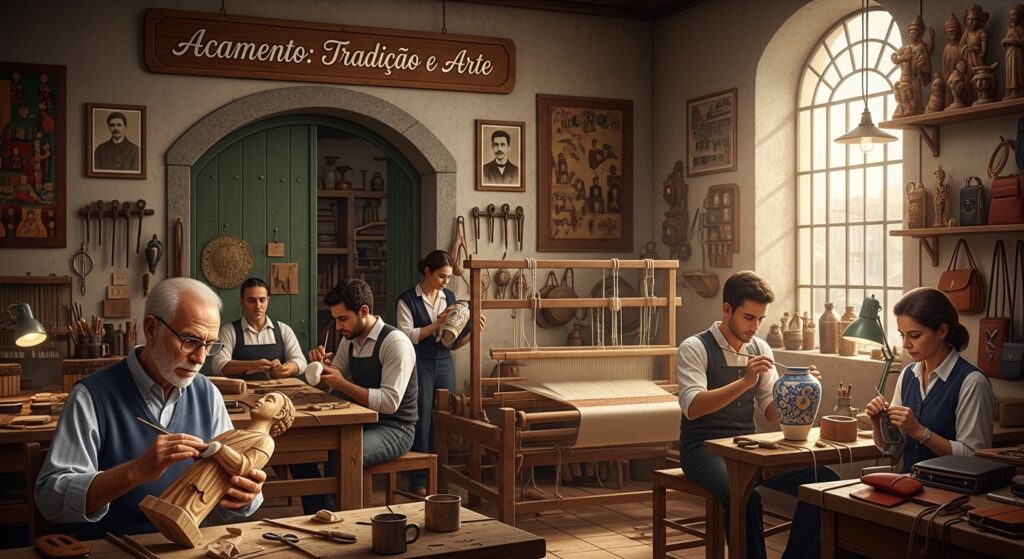
Acamento is more than just a practice; it’s a vivid tapestry woven from the threads of culture, tradition, and community. This fascinating ritual offers unique insights into the heritage of those who participate in it. With roots that stretch deep into history, Acamento embodies significant values and beliefs that resonate with many today. As we delve deeper into this captivating subject, you’ll discover not only its origins but also its relevance in our modern world. Join us on this journey to uncover the cultural heritage behind Acamento and what makes it such an intriguing part of human experience.
History and Origin of Acamento
Acamento traces its roots back to ancient practices in various cultures, particularly within indigenous communities. Its origins are intertwined with rituals that celebrate life transitions, such as puberty or marriage.
Historical records suggest Acamento was first documented in the early 19th century. However, its traditions likely predate this era by centuries. Oral histories passed down through generations highlight its importance as a rite of passage.
The term itself derives from local dialects, symbolizing connection and continuity among family and community members. Each region adds its unique flavor to the practice, making it rich and diverse.
Traditionally performed under specific lunar phases, Acamento reflects a deep understanding of nature’s cycles. This connection emphasizes harmony between individuals and their environment—a core principle that has endured over time.
The Cultural Significance of Acamento
Acamento is deeply woven into the cultural fabric of communities where it thrives. This practice serves as a bridge between generations, preserving ancient traditions and customs that might otherwise fade away.
The rituals associated with Acamento often celebrate key life events—births, marriages, and rites of passage. These ceremonies not only honor personal milestones but also reinforce social bonds within families and neighborhoods.
Artistic expression plays a significant role, too. Dancers, musicians, and artisans contribute to vibrant displays that encapsulate local history and values. Each performance or creation tells a story unique to its community.
Moreover, Acamento fosters a sense of identity among participants. It cultivates pride in heritage while encouraging collaboration across diverse groups who may share similar practices but vary in execution. This amalgamation enriches the overall experience for everyone involved.
Modern Day Practice of Acamento
Today, Acamento thrives as a vibrant expression of cultural identity. Communities continue to embrace this practice, weaving it into their daily lives and celebrations.
Modern practitioners often blend traditional techniques with contemporary influences. Workshops and gatherings foster creativity while preserving the essence of Acamento.
Social media plays a pivotal role in connecting enthusiasts worldwide. It provides platforms for sharing experiences, tips, and innovations related to this art form.
In urban settings, local artists showcase their work at galleries and fairs. This visibility helps raise awareness about Acamento’s rich heritage.
Younger generations are increasingly participating too. Schools and community centers offer classes that introduce children to its values and techniques.
The evolution of Acamento reflects adaptability without losing sight of its roots. It remains a living tradition that resonates deeply with those who practice it today.
Benefits of Practicing Acamento
Practicing Acamento offers numerous benefits that can enhance both personal and communal well-being. Participants often report a deeper connection to their cultural roots through this vibrant tradition.
The practice encourages mindfulness, allowing individuals to immerse themselves fully in the experience. This heightened awareness fosters emotional balance and mental clarity.
Moreover, Acamento nurtures social bonds within communities. Engaging in this activity together strengthens relationships and builds trust among participants.
Physical health can also improve as many aspects of Acamento involve movement or physical expression. This active engagement promotes fitness while keeping the spirit lively.
Additionally, embracing such practices contributes to cultural preservation. By participating in Acamento, individuals help keep age-old traditions alive for future generations.
Controversies Surrounding Acamento
Acamento, while rich in tradition, has not been without its share of controversies. Critics often question the practice’s implications on mental health and personal freedom. Some argue that intense rituals can lead to psychological stress for participants.
There are also debates regarding cultural appropriation. As Acamento gains popularity outside its original context, many feel that outsiders may misinterpret or exploit its significance. This raises concerns about authenticity and respect for its roots.
Additionally, social media amplifies differing opinions. The visibility of Acamento online invites both admiration and skepticism, leading to polarized discussions within communities.
These controversies highlight a crucial dialogue about preserving cultural heritage while evolving with modern times. Balancing respect for traditions with contemporary interpretations remains a challenging yet essential task for practitioners and advocates alike.
Conclusion
Acamento is more than just a practice; it’s a vibrant thread woven into the cultural fabric of communities. Its historical roots run deep, reflecting stories of resilience and tradition. As society evolves, so does Acamento, adapting to modern sensibilities while preserving its core significance.
For those who embrace this practice, the benefits are profound—enhancing community ties and personal growth. Yet, like many traditions, it faces scrutiny and debate about its relevance in today’s world.
Understanding Acamento opens doors to appreciating diverse cultural heritages. It invites exploration and dialogue about identity and belonging in an ever-changing landscape. Engaging with such practices enriches our lives, allowing us to connect authentically with others across different backgrounds. The journey through Acamento is as fascinating as the practice itself—a reminder of our shared humanity amidst unique traditions.