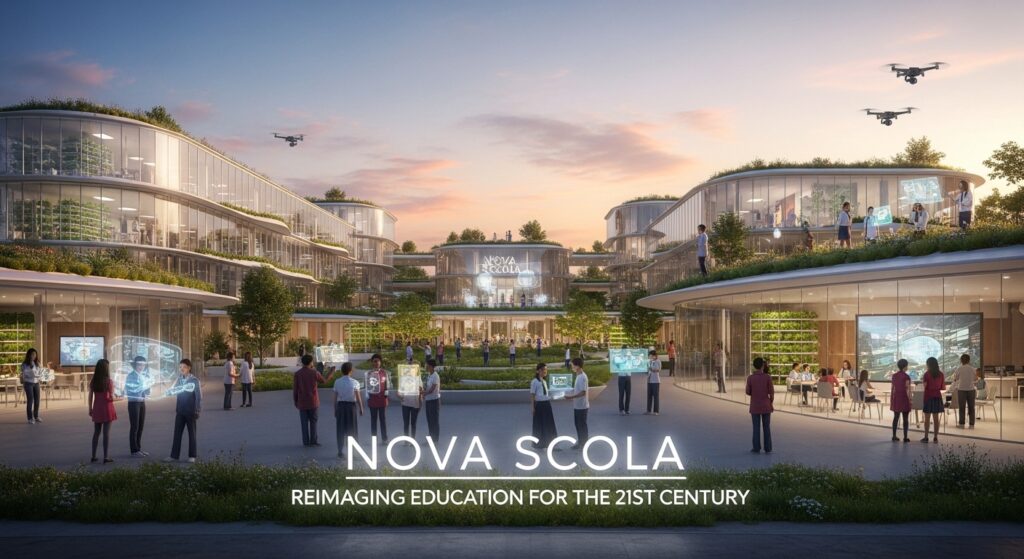
In a world that is changing faster than ever before, traditional education systems are being reexamined and redefined. Nova Scola stands at the forefront of this transformation—a concept that represents a new way of thinking about learning, teaching, and personal development. Inspired by innovation, inclusivity, and real-world relevance, Nova Scola embraces the belief that education should equip learners not just with knowledge but with the skills and mindset needed to thrive in an unpredictable future.
Unlike conventional school models that focus primarily on memorization and rigid curricula, Nova Scola emphasizes flexibility, curiosity, and lifelong learning.
The Philosophy Behind Nova Scola
At its core, Nova Scola is grounded in several key educational principles:
-
Student-centered learning – Students are active participants in their education, shaping their own learning paths based on interests and strengths.
-
Holistic development – Academic knowledge is balanced with emotional intelligence, creativity, and critical thinking.
-
Real-world relevance – Learning is connected to real challenges, encouraging learners to apply concepts in practical contexts.
-
Collaboration and community – Education is seen as a shared experience involving peers, mentors, families, and communities.
This philosophy reflects the belief that education should expand opportunities, not constrain them.
Flexible Learning Environments
Nova Scola promotes learning environments that go beyond traditional classrooms. These spaces can be physical, digital, or hybrid, and they prioritize interaction, exploration, and personalized pacing.
Rather than rows of desks and lecture-style teaching, Nova Scola environments might include:
-
Collaborative project spaces
-
Interactive digital hubs
-
Outdoor learning areas
-
Makerspaces and creative labs
These settings encourage experimentation, reflection, and practical problem-solving.
Innovative Curriculum and Teaching Methods
The curriculum in a Nova Scola model is dynamic and adaptable. Instead of a one-size-fits-all approach, it integrates multiple disciplines and focuses on competencies such as:
-
Critical thinking
-
Communication skills
-
Digital literacy
-
Cultural awareness
-
Entrepreneurial mindset
Teachers act as guides, facilitators, and mentors—supporting learners in discovering meaning and making connections rather than simply transmitting information.
Technology as an Enabler
Technology plays a major role in the Nova Scola approach, but not as a substitute for human interaction. Instead, tech tools are used to enhance access, creativity, and personalization.
Examples include:
-
Adaptive learning platforms that adjust to individual progress
-
Collaborative tools for global teamwork
-
Online resources that supplement experiential learning
-
Virtual and augmented reality experiences for immersive exploration
The goal is not technology for its own sake, but purposeful use that enriches learning.
Holistic Student Development
Nova Scola recognizes that education extends beyond academic achievement. Emotional well-being, social skills, and personal resilience are equally important markers of success.
Programs may include:
-
Social-emotional learning workshops
-
Mindfulness and well-being classes
-
Creative arts and performance opportunities
-
Service-learning and civic engagement projects
By nurturing the whole student, Nova Scola prepares learners for both personal fulfillment and professional success.
Community and Collaboration
Education in the Nova Scola model is not isolated within school walls. Families, local organizations, businesses, and even global partners can be part of the learning ecosystem. This collaborative framework encourages mentorship, real-world exposure, and shared responsibility for growth.
Community engagement can take many forms:
-
Local internships and apprenticeships
-
Expert guest workshops
-
Cross-cultural exchange programs
-
Volunteer initiatives and social projects
These experiences help learners see themselves as active contributors to society.
Preparing for the Future Workforce
Nova Scola’s focus on adaptability and real-world skills aligns directly with the needs of the contemporary workforce. As automation, artificial intelligence, and globalization reshape industries, learners need competencies that go beyond rote knowledge.
Key workforce skills emphasized include:
-
Creative problem solving
-
Digital collaboration
-
Entrepreneurial thinking
-
Cultural and ethical awareness
-
Lifelong adaptability
By cultivating these strengths, Nova Scola helps learners become resilient and capable contributors in a rapidly changing world.
Lifelong Learning as a Mindset
Nova Scola encourages learners to view education not as a phase of life but as a continuous journey. Whether in early childhood, adulthood, or later in life, learning remains dynamic, relevant, and personally meaningful.
Lifelong learning may include:
-
Professional development workshops
-
Online courses and certifications
-
Personal passion projects
-
Community-based learning initiatives
This mindset supports ongoing growth and adaptability.
Conclusion
Nova Scola represents more than a new educational model—it symbolizes a shift in how society values learning. By prioritizing innovation, holistic development, real-world relevance, and community engagement, Nova Scola reimagines education as a transformative experience that prepares individuals for life, work, and meaningful participation in the world.
In an age of rapid change and increasing complexity, Nova Scola illuminates a path toward learning that is flexible, empowering, and future-ready.