In today’s fast-paced digital landscape, businesses constantly seek innovative frameworks to streamline operations and enhance performance. One such framework that has gained traction is DPSIT—a holistic approach designed to optimize how organizations manage their data, processes, systems, integration efforts, and transformation initiatives. By understanding the core principles of DPSIT, companies can unlock new efficiencies and drive sustainable growth. Whether you’re a seasoned professional or just starting your journey into business optimization, grasping the essence of DPSIT could be the key to taking your organization to new heights. Let’s dive deeper into this transformative concept and unveil its fundamental components.
The Core Principles of DPSIT
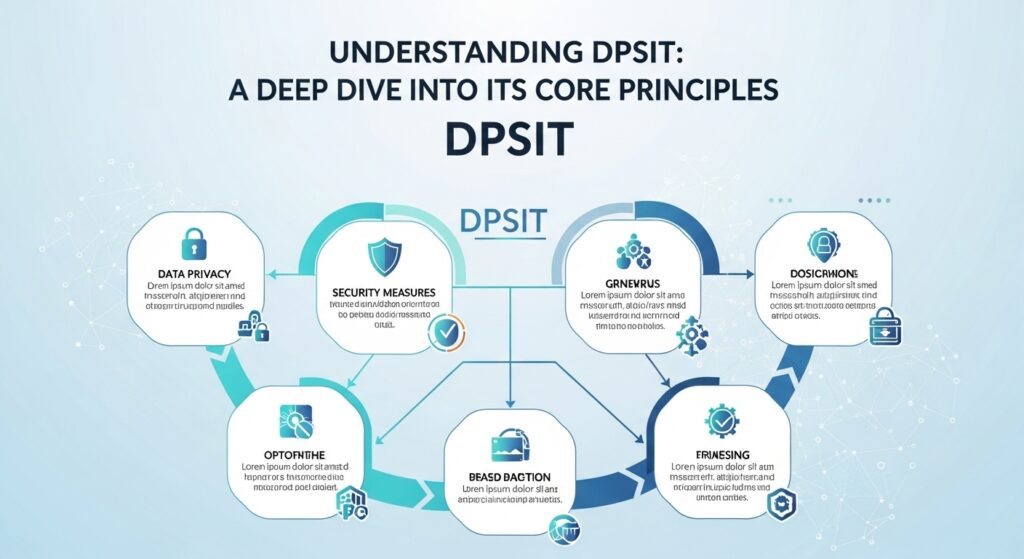
DPSIT stands for Data, Processes, Systems, Integration, and Transformation. Each of these core principles plays a vital role in shaping an organization’s approach to data management.
Data is the foundation. It’s essential to collect accurate information that supports informed decision-making. Without reliable data, business operations can falter.
Processes refer to the structured methods employed to manage tasks efficiently. Streamlined processes ensure consistency and reduce errors throughout various departments.
Next comes systems. These are the platforms enabling organizations to store and analyze their data effectively. A well-integrated system promotes better communication across teams.
Integration focuses on bringing together disparate sources of information into a cohesive framework. This creates a unified view that enhances collaboration.
Transformation emphasizes adapting practices based on insights gained from data analysis. It encourages businesses to evolve continuously in response to changing market dynamics or internal feedback.
A. Data
Data is the backbone of DPSIT. It serves as the foundation for informed decision-making.
In today’s digital age, businesses generate vast amounts of data daily. This information can come from various sources like customer interactions, sales transactions, and market trends. Understanding this data is crucial for unlocking valuable insights.
Effective data management involves collection, storage, and analysis. Organizations must ensure that their data is accurate and relevant to drive strategic initiatives forward.
Furthermore, leveraging advanced analytics tools helps in deriving actionable intelligence from raw numbers. Businesses can identify patterns or anomalies that inform future strategies.
Prioritizing quality over quantity transforms how companies engage with their customers and optimize operations. Embracing a robust approach to managing data leads to more agile responses in an ever-changing marketplace.
B. Processes
Processes are the backbone of DPSIT. They dictate how data flows and transforms within an organization.
A well-defined process ensures that information moves efficiently from one stage to another. This minimizes delays and reduces errors, leading to better decision-making.
Moreover, documenting processes allows for consistency across teams. When everyone follows the same procedures, collaboration becomes seamless.
Automating these processes can also enhance productivity. With routine tasks handled by technology, employees can focus on more strategic initiatives.
It’s essential to regularly review and refine these processes as business needs evolve. Continuous improvement keeps your organization agile in a rapidly changing environment.
C. Systems
Systems play a crucial role in the DPSIT framework. They represent the backbone of operations within an organization. Through well-defined systems, businesses can streamline processes and enhance efficiency.
Each system must be designed to handle specific tasks effectively. This includes everything from resource management to customer interactions. The right systems should facilitate communication and collaboration across various departments.
Moreover, integrating these systems ensures that information flows seamlessly throughout the organization. When different parts of a business communicate effectively, decision-making becomes quicker and more informed.
Investing in robust systems also means keeping scalability in mind. As businesses grow or pivot, their systems should adapt without causing disruptions or delays.
Maintaining efficient systems is essential for achieving long-term success within the DPSIT framework. By prioritizing this aspect, organizations can create a foundation for sustained growth and innovation.
D. Integration
Integration acts as the glue that binds various components of DPSIT together. It ensures seamless communication between data, processes, and systems within an organization.
With effective integration, businesses can achieve a holistic view of their operations. This interconnectedness allows for real-time decision-making based on accurate insights.
Furthermore, integration streamlines workflows and eliminates silos. By connecting disparate systems, teams can collaborate more efficiently and share vital information without barriers.
The use of APIs and middleware plays a significant role in achieving smooth integration. These tools enable different software applications to work in harmony, enhancing overall functionality.
When executed well, integration not only enhances productivity but also improves customer experiences. Clients receive timely updates and services tailored to their needs through integrated platforms.
E. Transformation
Transformation is the cornerstone of DPSIT, driving businesses to evolve and adapt in a rapidly changing landscape. It involves rethinking existing processes and embracing new technologies that enhance efficiency.
At its core, transformation encourages organizations to move beyond traditional confines. This could mean adopting automation tools or leveraging artificial intelligence for smarter decision-making.
Moreover, transformation isn’t just about technology; it’s also about culture. Encouraging a mindset shift within teams fosters innovation and creativity. Employees become more engaged when they see their contributions leading to meaningful changes.
The journey of transformation requires continuous learning and iteration. Organizations must be willing to experiment, fail fast, and pivot based on insights gained along the way.
By embedding transformation into the fabric of business operations, companies can remain competitive while meeting evolving customer needs effectively.
Benefits of Implementing DPSIT in Business
Implementing DPSIT can significantly enhance business efficiency. By focusing on data, processes, systems, and integration, organizations streamline operations. This leads to quicker decision-making and improved resource allocation.
Increased collaboration is another key benefit. When teams share integrated systems and data insights, they work more cohesively. This fosters a culture of transparency and innovation within the organization.
Cost reduction often follows as well. With optimized processes in place, businesses can minimize waste and redundancy. Resources are utilized more effectively when everyone is aligned with the same goals.
Customer satisfaction sees an uplift too. Efficient systems allow for faster response times and better service delivery. As companies provide improved experiences for clients, loyalty grows.
Adopting DPSIT creates a robust foundation for growth in today’s competitive landscape. It’s not just about technology; it’s about transforming the way businesses operate at every level.
Challenges and Solutions for Implementing DPSIT
Implementing DPSIT comes with its share of challenges. One major hurdle is resistance to change within organizations. Employees may feel threatened by new processes or skeptical about their effectiveness.
Training plays a crucial role in overcoming this barrier. Providing comprehensive education on DPSIT principles can ease concerns and foster acceptance among team members.
Another challenge is data integration from disparate sources. Merging information without losing context can be daunting, especially for larger businesses.
Utilizing advanced tools and software designed for data integration can simplify this process. These solutions allow seamless collaboration across departments, ensuring everyone has access to accurate information.
Maintaining ongoing support during the transition is essential. Regular check-ins and updates help address issues promptly and keep motivation high throughout the implementation journey.
Conclusion
The landscape of business is constantly evolving, making it essential for organizations to adopt frameworks that enhance efficiency and decision-making. DPSIT stands out as a comprehensive approach that integrates data, processes, systems, integration, and transformation into one cohesive model.
By understanding its core principles, businesses can leverage the full potential of their operations. Embracing DPSIT not only leads to improved performance but also fosters innovation and adaptability in a competitive market.
While challenges may arise during implementation—such as resistance to change or technological barriers—the benefits far outweigh these hurdles. With appropriate strategies in place, organizations can navigate obstacles effectively.
As companies strive for excellence in this data-driven world, embracing DPSIT could be the key element that drives sustained growth and success. Understanding and applying these principles will empower businesses to thrive amid uncertainty while positioning themselves for future opportunities.